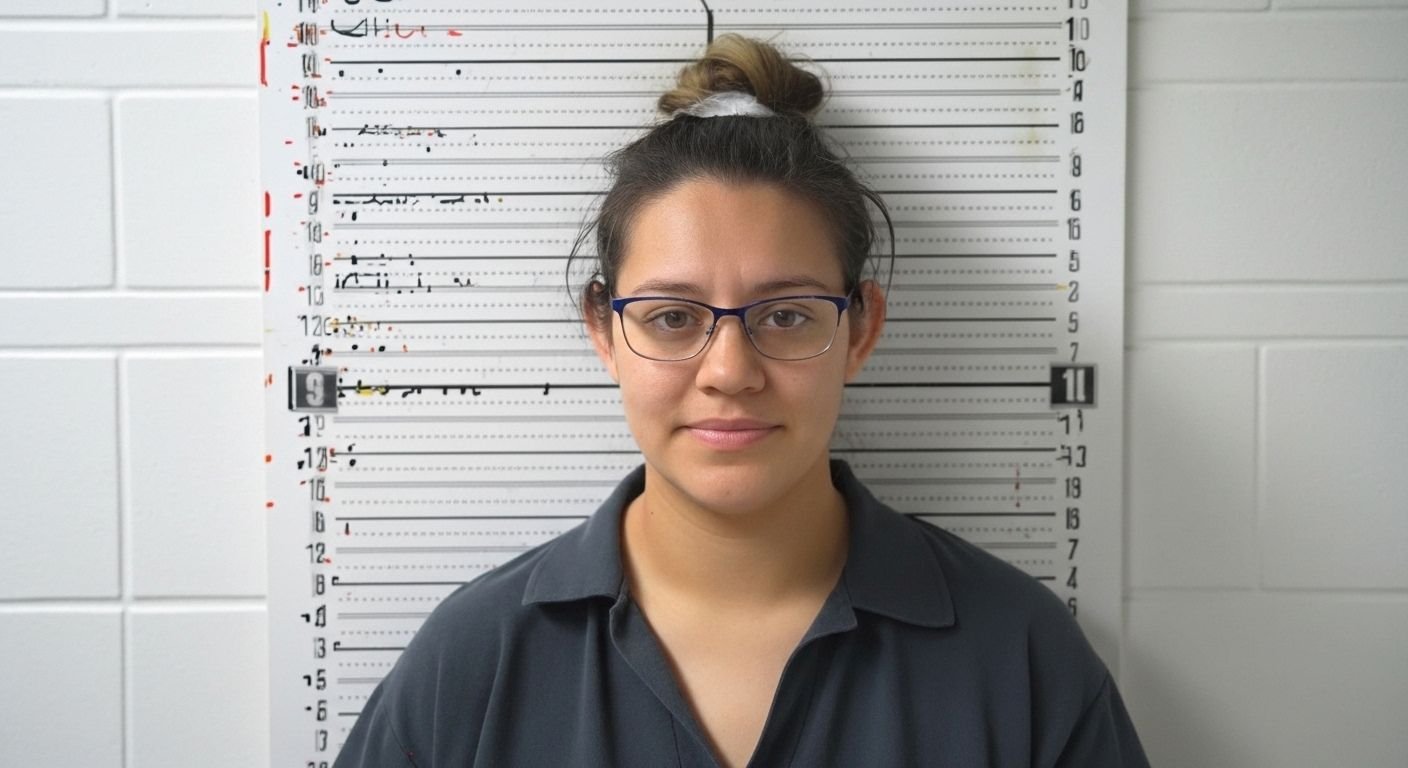
The story of Alexis Avila is one that captured national attention, sparking conversations about justice, desperation, and the systems designed to protect the most vulnerable. It’s a case that forces us to look at difficult truths and ask hard questions. In January 2022, a newborn baby was found abandoned in a dumpster in Hobbs, New Mexico. The subsequent investigation led to his mother, 18-year-old Alexis Avila, setting off a legal battle and a public debate that continues to resonate. This article will provide a comprehensive look into the case, from the initial incident to the final verdict and its lasting impact.
We will explore the timeline of events, the legal complexities of the charges, the miraculous survival of the infant, and the raw emotional reactions from the family and the public. By examining the details, we can better understand the factors at play and the lessons this case holds for society.
Timeline of Events
To grasp the full scope of the Alexis Avila case, it’s essential to understand the sequence of events as they unfolded. This was a fast-moving situation that began with a shocking discovery and quickly led to a high-profile criminal investigation.
The Incident
On January 7, 2022, a group of people rummaging through a dumpster behind a shopping center in Hobbs, New Mexico, heard what sounded like crying. Inside a trash bag, they found a newborn baby boy, wrapped in a dirty blanket with his umbilical cord still attached. The temperature was near freezing, and the infant was showing signs of hypothermia. The individuals who found him immediately took action, keeping the baby warm and calling for help.
Investigation and Arrest
First responders arrived quickly and transported the baby to a local hospital before he was airlifted to a more specialized facility in Lubbock, Texas. Miraculously, he survived. The Hobbs Police Department launched an immediate investigation. They retrieved surveillance footage from a nearby store, which captured a vehicle pulling up to the dumpster hours earlier. The video showed a person exiting the car, throwing a black bag into the container, and driving away.
Investigators traced the vehicle’s registration to the Avila family. When they arrived at the home, they spoke with Alexis Avila, who confessed to giving birth and abandoning the baby. She told police she had been unaware of her pregnancy until the day before she gave birth. According to her statement, she panicked after delivering the baby in a bathroom at her parents’ home and decided to dispose of him.
Legal Proceedings
Alexis Avila was arrested and charged with attempted first-degree murder and felony child abuse resulting in great bodily harm. The case moved through the legal system, culminating in a trial that drew significant media attention. The prosecution argued that Avila’s actions were intentional and malicious, highlighting the deliberate nature of placing the baby in a dumpster in freezing weather. The defense, on the other hand, pointed to Avila’s youth, her panicked state of mind, and her claims of experiencing abuse, suggesting she was not in a rational state. In April 2023, a jury found her guilty, and she was later sentenced to a lengthy prison term.
Legal Analysis
The legal proceedings in the Alexis Avila case were complex, involving serious charges and nuanced arguments from both the prosecution and defense. Understanding these elements is key to comprehending the final outcome.
Charges and Sentencing
Avila faced two primary charges: attempted first-degree murder and child abuse resulting in great bodily harm. The attempted murder charge required the prosecution to prove she acted with deliberate intent to kill her newborn. The child abuse charge focused on the act of knowingly placing the child in a situation that endangered his life and caused him significant harm.
The jury convicted her on both counts. During the sentencing hearing in May 2023, the judge considered arguments from both sides. The prosecution pushed for a significant sentence, emphasizing the vulnerability of the victim and the cruelty of the act. The defense pleaded for leniency, citing Avila’s mental state and difficult personal circumstances. Judge William G.W. Shoobridge ultimately sentenced Alexis Avila to 18 years in prison but suspended two years, resulting in a 16-year term followed by probation. He remarked that no sentence he could impose would be as harsh as the lifelong knowledge of what she had done.
Appeals and Legal Statements
Following her conviction, Avila’s legal team filed an appeal. They argued that there were errors in the trial and that her mental health was not given adequate consideration. However, in November 2025, the New Mexico Court of Appeals upheld the conviction. Attorney General Raúl Torrez publicly stated his office was pleased with the decision, reaffirming that justice had been served and that their focus would shift to ensuring Avila was remanded back into custody to serve her sentence.
The Baby’s Survival Story
At the heart of this tragic case is an incredible story of survival. The infant, who came to be known as Saul, defied all odds after being left for dead in the cold.
Discovery and Rescue
The discovery of baby Saul was a matter of pure chance. The individuals who found him were not police or trained professionals; they were community members who happened to be in the right place at the right time. Their quick thinking and compassion were the first steps in a chain of events that saved his life. By wrapping him in blankets and alerting authorities, they provided the critical intervention he needed to survive the initial hours of exposure.
Medical Challenges
When paramedics arrived, Saul was suffering from hypothermia. He had been in the dumpster for an estimated six hours. At the hospital, medical staff worked to stabilize his body temperature and treat him for any other complications arising from the traumatic birth and abandonment. His resilience was remarkable, and despite the ordeal, he began to recover.
Current Status
Baby Saul was eventually placed in the custody of his father, Stephen Astorga, who had been unaware of the pregnancy. Astorga has since been raising his son, providing him with a loving and stable home. He spoke at Avila’s sentencing, expressing both his pain and his hope for his son’s future. He stated that despite the trauma, his son would grow up to be somebody special.
Public and Family Reactions
The case sent shockwaves through the community of Hobbs and beyond, prompting a wide range of emotional responses from the public and the families directly involved.
Statements from Family Members
During the trial and sentencing, both families had the opportunity to speak. Alexis Avila’s father, Domingo Avila, spoke of the loving home she was raised in and expressed a hope to one day meet his grandson. Alexis herself gave a tearful apology to her son and her family, expressing regret for depriving the baby of a full, loving family.
On the other side, the baby’s father, Stephen Astorga, delivered a powerful statement directed at Avila. He spoke of the pain her actions had caused but also of his son’s strength and bright future. These personal testimonies provided a raw, human element to the legal proceedings.
Public Outcry
Public reaction was largely one of outrage and disbelief. Social media and news comment sections were filled with discussions about the severity of the crime and the appropriate punishment. The case also brought renewed attention to New Mexico’s Safe Haven laws, which allow a parent to leave an infant at a designated safe place, like a hospital or fire station, without fear of prosecution. Many wondered why Avila did not use this option.
Broader Implications
The Alexis Avila case forced a larger conversation about child welfare, mental health support for new mothers, and the legal system’s handling of such sensitive issues. It highlighted gaps in public awareness about resources like Safe Haven laws and sparked calls for better education and support systems to prevent similar tragedies.
Mental Health and Context
While the facts of the case are stark, understanding the context surrounding Alexis Avila’s actions requires a look at her background and mental state, which her defense team argued were critical factors.
Alexis Avila’s Background
Avila’s defense team presented evidence suggesting she had a history of mental health issues and had experienced a troubled relationship. They argued that she was in a state of emotional and psychological distress, which clouded her judgment. She claimed she didn’t know she was pregnant until just before giving birth, a phenomenon known as a cryptic pregnancy, which can be disorienting and terrifying.
Role of Mental Health in the Case
The role of mental health was a central point of contention in the trial. The defense argued that Avila’s actions were not the product of a cold, calculated decision but of panic and mental breakdown. The prosecution, however, maintained that while she may have had issues, they did not absolve her of responsibility for the intentional act of leaving her baby to die. The final verdict and sentence suggest the court found that while her circumstances may have been difficult, they did not excuse the severity of the crime.
Lessons and Takeaways
The Alexis Avila case is more than just a true-crime story; it offers important lessons for society, law enforcement, and healthcare systems.
Legal and Social Implications
This case serves as a stark reminder of the importance of Safe Haven laws. These laws exist in all 50 states to provide a last-resort option for parents in crisis. The tragedy highlights the need for greater public awareness and education, ensuring that individuals in desperate situations know they have safe, anonymous, and legal alternatives to abandonment.
Preventative Measures
Preventing such incidents requires a multi-faceted approach. This includes comprehensive sex education, accessible and affordable contraception, and robust mental health support for young people and new mothers. It’s about creating a social safety net where individuals feel supported rather than isolated and desperate. For every person in a crisis like Alexis Avila’s, there is a need for clear pathways to help, whether through schools, healthcare providers, or community organizations.
Frequently Asked Questions (FAQ)
What were the charges against Alexis Avila?
Alexis Avila was charged with attempted first-degree murder and child abuse resulting in great bodily harm. She was convicted on both counts.
What sentence did Alexis Avila receive?
She was sentenced to 18 years in prison, with two years suspended. She will serve 16 years, followed by two years of probation.
How did the baby survive?
The baby was found by a group of people who heard him crying from inside a dumpster. They kept him warm and called 911. He was treated for hypothermia and other complications but made a full recovery.
Who has custody of the baby now?
The baby, named Saul, is in the custody of his father, Stephen Astorga. He was reportedly unaware of the pregnancy until after the incident.
Final Thoughts
The Alexis Avila case is a profound tragedy with complex layers. It is a story of a life nearly lost and another life forever changed. While the legal system has rendered its judgment, the societal questions raised by this case remain. It underscores the urgent need for compassion, education, and accessible resources to support vulnerable individuals before they reach a point of desperation. The survival of baby Saul is a beacon of hope in a dark story, a testament to the kindness of strangers and the resilience of the human spirit. Ultimately, this case challenges us to do better—to build a community where every life is valued and no one feels they have to make such a devastating choice alone.