If you’ve been scrolling through your feed lately, you’ve probably noticed a resurgence of a stunning, intricate braiding style that feels both ancient and incredibly modern. I’m talking about Fulani tribal braids.
While they might seem like just another trending protective style, these braids carry centuries of history, identity, and artistry. I remember the first time I sat in the chair to get them done—it wasn’t just about leaving with a new look; it felt like wearing a piece of art. Whether you’re looking to protect your natural hair or just want to switch up your style, understanding the roots (literally and figuratively) of this look makes wearing it even more special.
Let’s break down everything you need to know about Fulani braids—from their West African origins to the hottest modern variations and exactly how to keep them fresh.
What Are Fulani Tribal Braids?
Before we get into the styling options, we need to respect the source. Fulani braids originate from the Fula people (or Fulani), a primarily Muslim ethnic group scattered across West Africa and parts of East Africa. Historically, these hairstyles weren’t just for fashion; they communicated vital information about a woman’s status, such as her wealth, marital status, or region of origin.
So, what makes a braid style “Fulani”?
Traditionally, the look is defined by a few key elements:
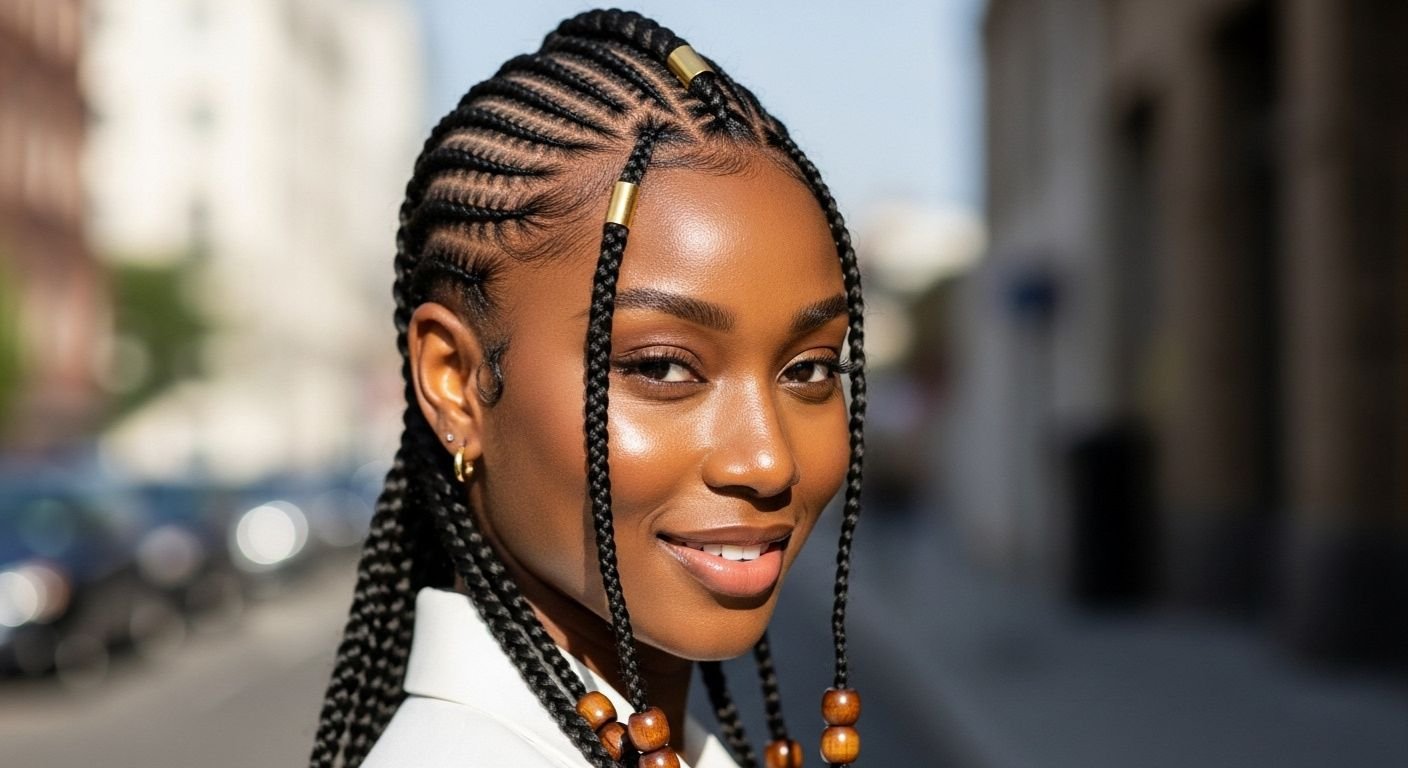
- A central cornrow running straight down the middle of the head from front to back.
- Side cornrows on either side of the head, usually hanging loose.
- A braid wrapped around the hairline, often framing the face.
- Accessories, specifically beads, cowrie shells, or silver coins placed strategically throughout the hair.
Today, “Fulani tribal braids” has become an umbrella term in the beauty world. It often refers to any style that incorporates these specific cornrow patterns mixed with box braids or knotless braids in the back.
Popular Fulani Braid Styles You Need to Try
The beauty of this style is its versatility. You can stick to the traditional blueprint or remix it with modern textures. Here are some of the most popular ways to rock them right now.
Face-Framing Fulani Braids
This is the look you see most often on red carpets. It focuses on accentuating your facial features. By directing the braids on the side forward or having them hang loosely near your temples, you create a natural frame for your face. It’s incredibly flattering for almost every face shape because the vertical lines elongate the face.
Fulani Braids with Curls (Boho Style)
This is my personal favorite because it adds so much volume and movement. This style—often called “Boho Fulani braids”—mixes the tight, neat cornrows on the scalp with loose, curly extensions in the back or feeding into the ends of the braids. The contrast between the sleek scalp work and the messy, carefree curls gives off an effortless, ethereal vibe.
Geometric and Artistic Designs
Hairstylists are getting incredibly creative with their parting skills. Instead of just straight lines, you’ll see:
- Snake patterns: Curving, S-shaped cornrows.
- Zig-zags: Sharp, angular parts that add edge to the look.
- Maze designs: Intricate patterns that look like a puzzle on the scalp.
Heart-Shaped Braids
You can’t talk about current trends without mentioning the heart part. This usually involves braiding a distinct heart shape on the side of the head, right above the ear. It’s a cute, playful detail that adds a soft, feminine touch to the overall geometric look.
Fulani Braid Ponytails
If you hate hair touching your neck in the summer, this one is for you. The cornrows are braided upwards toward the crown of the head, gathering into a ponytail or bun. It’s practical, chic, and keeps you cool while still showing off intricate scalp designs.
Accessories: How to Personalize Your Look
Accessories aren’t just add-ons for Fulani braids; they are essential to the aesthetic.
Beads and Shells
Wooden beads, clear acrylic beads, or traditional cowrie shells are the most common accessories. Historically, the placement and type of bead had specific meanings. Now, they are a great way to color-coordinate your hair with your outfits.
Decorative Wire
Gold or silver wire wrapped around specific braids (usually the center one or the side hangers) adds a regal, jewelry-like effect to the hair. It’s an inexpensive way to elevate the style instantly.
Cuffs and Rings
Metal cuffs clipped onto the braids are a quicker alternative to beads if you don’t have the time to thread them on.
Preparing for Your Appointment
Getting Fulani tribal braids is a commitment. Depending on the complexity, you could be in the chair for 4 to 8 hours. Here is how I prep to make sure my hair (and my patience) survives the process.
1. Cleanse Thoroughly
Wash your hair with a clarifying shampoo to remove all product buildup. You won’t be able to give your scalp a deep scrub for weeks, so start with a clean slate.
2. Deep Condition
Your hair will be tucked away for a while. Do a deep conditioning protein treatment a day or two before your appointment to strengthen your strands.
3. Stretch Your Hair
If you have tight curls or coils, blow-drying your hair straight (using heat protectant!) makes the braiding process faster and painless. It also helps the braider get cleaner parts.
4. Pack Your Bag
Bring your accessories. Not every stylist keeps a stock of the specific beads or wire you might want. It’s always safer to buy them beforehand and bring them with you.
How Much Do Fulani Braids Cost?
This varies wildly depending on your city and the stylist’s skill level, but you should budget accordingly.
Generally, you can expect to pay between $150 and $350.
Factors that jack up the price include:
- Length: Waist-length braids take much longer than shoulder-length.
- Size: Micro-braids require hours of more labor than jumbo braids.
- Complexity: If you want intricate hearts or maze patterns, expect to pay a premium for that artistry.
- Hair: Some prices include the braiding hair; others require you to buy it separately. Always clarify this before booking.
Maintenance: Keeping Your Braids Fresh
You’ve spent the money and the time; now you need to make them last. Fulani braids typically look good for 4 to 6 weeks. Pushing it past that point can lead to matting and breakage at the root.
Scalp Care is King
Your scalp is exposed, which means it can get dry and itchy fast. Use a lightweight oil (like jojoba or peppermint oil) to keep the skin hydrated without clogging pores. Avoid heavy greases that attract dirt.
Nighttime Routine
Never sleep without a silk or satin scarf. The friction from cotton pillowcases will make your braids frizzy within days. I usually tie a scarf around the cornrowed section to keep it flat and put the length of the braids in a satin bonnet.
Washing Your Braids
Yes, you can wash them! I recommend using a nozzle applicator bottle mixed with diluted shampoo. Apply it directly to the scalp, gently massage with your fingertips (no scratching!), and rinse. Focus on cleaning the scalp rather than scrubbing the actual braids, which causes frizz.
Frequently Asked Questions (FAQ)
Are Fulani braids damaging to hair?
Not inherently. However, if the braider pulls too tightly (especially around the sensitive hairline), it can cause traction alopecia. Always speak up if it hurts. Tension bumps are not a badge of honor; they are a sign of damage.
Can I get Fulani braids on short natural hair?
Yes! As long as your hair is roughly 3 to 4 inches long (enough to catch in a braid), a skilled stylist can grip it. Adding extensions will give you the length and volume you need.
What is the difference between Fulani braids and tribal braids?
“Tribal braids” is a broad category encompassing many African braiding styles. Fulani braids are a specific type of tribal braid, characterized by the center part and unique braiding pattern described above.
How do I take them down safely?
Patience is key. Cut the extensions below where your natural hair ends. Unravel carefully. The most important step: detangle your hair thoroughly before wetting it. If you wash your hair while the shed hair is still trapped in there, it will mat up instantly, and you will have to cut it out.
Final Thoughts
Fulani tribal braids are more than just a protective style; they are a celebration of heritage and a statement of style. They offer a unique blend of structure and flow that few other hairstyles can match. Whether you opt for a classic look with beads or a modern boho remix, you’re wearing a style that has stood the test of time for centuries.
If you’re on the fence, take this as your sign to book the appointment. Just remember to respect the process, prep your hair properly, and speak up about tension. Your edges will thank you!