Have you ever stumbled across a word that seems to hum with meaning before you even know its definition? That was my experience when I first encountered the term ciulioneros. It wasn’t just a label; it felt like a doorway into a community I hadn’t met yet.
If you’ve been seeing this term pop up lately, you aren’t alone. Whether it’s discussed as a digital phenomenon or whispered about as a hidden cultural gem, “ciulioneros” is capturing attention. But what does it actually mean? Is it a group of people? A philosophy? A digital trend?
The truth is, it’s a bit of everything. At its core, ciulioneros represents a fascinating blend of community identity and modern conceptual thinking. It is a bridge between deep-rooted tradition and the fluid nature of our digital lives.
In this guide, we are going to peel back the layers. We’ll look at the origins of the ciulioneros, their unique traditions, and why this concept matters so much right now.
What is Ciulioneros?
Defining ciulioneros isn’t as simple as opening a dictionary. In fact, if you look for it in a standard academic text, you might come up empty. That’s because ciulioneros acts as a “living concept.”
First and foremost, it refers to a community bound by shared values rather than just geography. To be a ciulionero is to subscribe to a specific way of viewing the world—one that values resilience, creativity, and deep connection.
However, in recent years, the term has taken on a second life online. It has become a symbol for digital adaptability. It’s a term used to describe people who are shaping their own identities outside of traditional boxes.
Think of it like this: if traditional culture is a solid rock, ciulioneros is water. It flows, it adapts, and it shapes the landscape it moves through. It invites interpretation, allowing every person who claims the label to add a little piece of their own story to the definition.
Historical and Cultural Roots
While it feels modern, the spirit of the ciulioneros has deep roots. Many cultural historians trace the essence of this group back to indigenous resilience and folklore.
Origins in Folklore
Long before hashtags and blog posts, the ancestors of this concept were likely storytellers and wanderers. In local folklore, there are often references to groups who lived on the margins of society but held the community’s wisdom. These figures—often referred to by names similar to “ciulioneros”—were the keepers of balance. They understood the land and the changing seasons better than anyone.
Evolution Through Migration
As time passed, these communities didn’t stay static. Trade routes and migration mixed their traditions with others. The ciulioneros became a melting pot. They absorbed the best parts of the cultures they encountered—new spices for their food, new rhythms for their music—while keeping their core identity intact. This ability to absorb and evolve is exactly why the concept has survived to the modern day.
Unique Traditions and Practices
You can’t understand a culture without looking at what they do. The daily life of the ciulioneros is rich with practices that ground them in the present moment while honoring the past.
The Art of Storytelling
If you sit down with a group of ciulioneros, you won’t just hear chatting; you’ll hear weaving. Storytelling is their primary method of education. It isn’t about memorizing dates or facts. It’s about passing down emotional truths. Elders tell stories not to entertain, but to teach resilience. A story about a storm isn’t just about weather; it’s about how the community rebuilt afterward.
Artisan Crafts
The hands of a ciulionero are rarely idle. Their craftsmanship is distinct, often characterized by intricate patterns that tell a visual story. We see this in:
- Textiles: Woven fabrics that use specific color combinations to represent different families or virtues.
- Pottery: Clay vessels that aren’t just for storage but are engraved with symbols of protection.
- Carvings: Wood or stone pieces that often depict fluid shapes, mimicking nature.
Music and Dance
Music in this culture is visceral. It relies heavily on percussion—the heartbeat of the community. Dances are communal, rarely performed solo. They require synchronization, reinforcing the idea that no one stands alone. When the music starts, the hierarchy dissolves; everyone is equal on the dance floor.
Cuisine as Connection
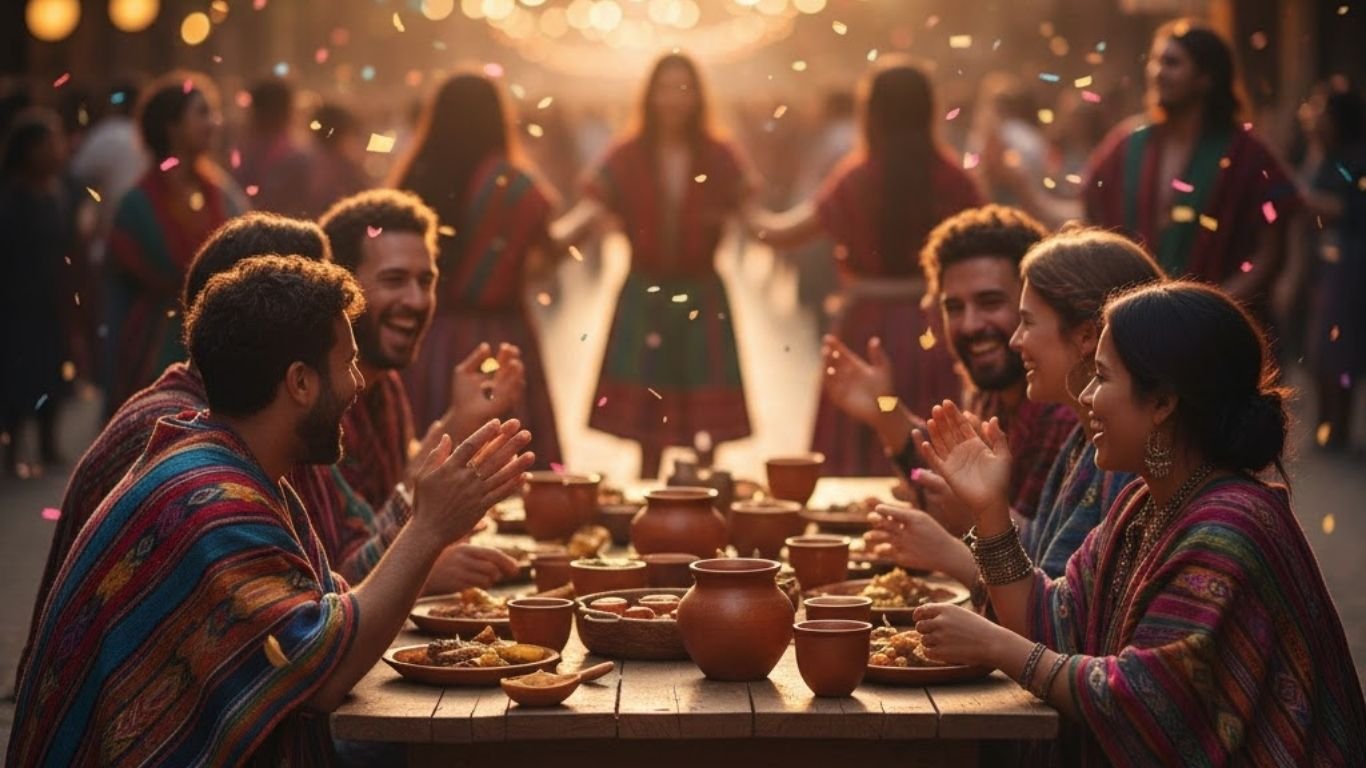
Food is perhaps the most accessible entry point into their world. Ciulioneros cuisine is characterized by “slow food” principles. Meals are communal events that can last for hours. Dishes often feature root vegetables and slow-cooked meats, seasoned with herbs gathered from the local environment. Sharing a meal here is a binding contract of friendship.
Ciulioneros in Modern Digital Culture
Here is where things get really interesting. How does an ancient concept survive the internet age? By becoming the internet.
The term ciulioneros has found a massive resurgence online. In the digital space, it has become a tag for creators and thinkers who feel disconnected from mainstream labels.
- The “Conceptual” Keyword: You might see the term used in abstract digital art or experimental writing. It has become a shorthand for “undefined potential.”
- Social Media Identity: On platforms like Instagram and TikTok, users tag themselves as ciulioneros to signal that they are part of a niche, thoughtful community. It’s a way of saying, “I value depth over viral trends.”
- Digital Storytelling: Just as their ancestors told stories around fires, modern ciulioneros tell stories through threads, blogs, and video essays. The medium changed, but the intent—connection—remains the same.
Community Impact
The influence of the ciulioneros extends far beyond their own circle. They act as a stabilizing force in the wider local communities where they reside.
Fostering Unity
In polarized times, this group often acts as a bridge. Because their philosophy is rooted in adaptability and listening, they are excellent mediators. They host community dialogues that bring conflicting sides together, using their tradition of shared storytelling to find common ground.
Economic Contributions
Let’s talk economics. Ciulioneros festivals and markets are significant draws. Tourists flock to see the authentic crafts and taste the food. This brings revenue not just to them, but to the entire region. Their insistence on quality over quantity has also helped revive interest in local, sustainable manufacturing.
Educational Initiatives
They are also educators. Realizing that their youth were drifting away, many leaders launched workshops. These aren’t just dusty history lessons. They are dynamic programs teaching kids how to mix digital skills with traditional wisdom—like coding an app to archive ancient songs.
Challenges and Preservation Efforts
It isn’t all smooth sailing. Like many unique cultures, the ciulioneros face the threat of erasure.
Modernization is a double-edged sword. While the internet spreads their name, it can also dilute their meaning. There is a fear among elders that “ciulioneros” will become just a trendy buzzword, stripped of its deeper philosophy.
Resource limitations are another hurdle. Traditional materials for crafts are becoming harder to source due to environmental changes.
However, the response has been powerful. Grassroots movements have sprung up to protect the culture. We are seeing the creation of Digital Archives—secure databases where oral histories are recorded and stored. Social media is being used as a shield, rallying support and funds to protect physical heritage sites.
Festivals and Celebrations
If you ever get the chance to attend a Ciulioneros Festival, take it. It is a sensory overload in the best possible way.
These festivals are usually held during seasonal shifts—spring equinox or harvest time. The streets fill with parades featuring dancers in vibrant, flowing attire. The air smells of roasted spices.
Key highlights often include:
- The Parade of Ancestors: A respectful procession honoring those who came before.
- The Open Market: Rows of stalls selling handmade goods you can’t buy on Amazon.
- The Night Circle: As the sun sets, the music shifts from high-energy beats to rhythmic, trance-like drumming for the evening fires.
How to Experience Ciulioneros
You don’t have to be born into it to appreciate it. Here is how you can respectfully engage with this culture:
- Visit Cultural Centers: Look for museums or community centers in regions known for this heritage. They provide context that a blog post can’t.
- Take a Workshop: Don’t just buy the pottery; learn how to make it. Hands-on experience teaches you the patience required by the culture.
- Go to a Festival: There is no substitute for being there. Just remember to be a participant, not just a spectator. Dance if asked. Eat the food offered.
- Connect with Locals: If you meet someone who identifies as a ciulionero, ask them their story. Listen more than you speak.
Final Thoughts
The concept of ciulioneros reminds us that culture is not a static object in a museum case. It is alive. It breathes, changes, and grows.
Whether you view it as an ancient tradition or a modern digital philosophy, the core message is the same: connection matters. In a world that often feels fractured, the ciulioneros offer a blueprint for how to stay rooted while still reaching for the future.
As we move forward, preserving these “hidden gems” of cultural heritage isn’t just about saving the past. It’s about ensuring we have deep, meaningful ways to understand ourselves in the future.
Frequently Asked Questions (FAQ)
Is ciulioneros a real word?
Yes, though its usage has evolved. It functions as both a cultural identifier for a specific community and a modern conceptual term used in digital spaces to describe adaptability and creativity.
Where do ciulioneros originate from?
The roots are traced back to indigenous folklore and local traditions that emphasized resilience and nature. Over time, migration and trade influenced the culture, making it a blend of various histories.
How can I join the ciulioneros community?
It is less about “signing up” and more about adopting the mindset. Engaging with the values—creativity, resilience, and community connection—is the first step. Participating in online forums or attending local cultural events is a great way to start.
Why are ciulioneros important to digital culture?
They represent the human side of the internet. The term is used to push back against algorithmic conformity, encouraging unique, human-centric expression and storytelling online.