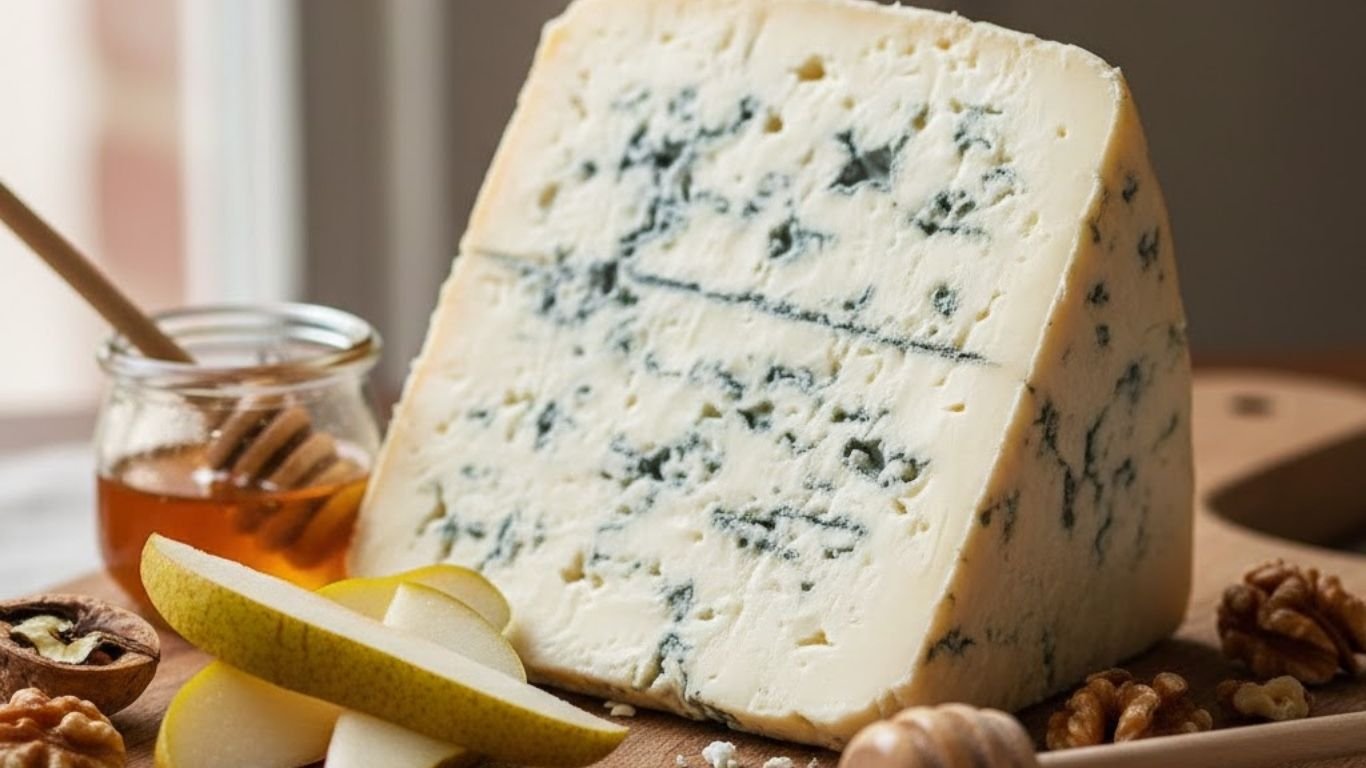
Italy is famous for its culinary heavyweights. We all know Parmigiano Reggiano, Mozzarella di Bufala, and Pecorino Romano. But if you dig a little deeper into the country’s rich dairy tradition, you find the hidden treasures that locals keep for themselves. One of those treasures is Masgonzola.
If you are a cheese lover looking to expand your palate beyond the standard supermarket selection, you have come to the right place. Masgonzola is often overshadowed by its more famous cousin, Gorgonzola, but it deserves a spotlight all its own. This creamy, blue-veined delight from the Lombardy region offers a unique balance of flavors that can elevate a simple meal into a gourmet experience.
In this guide, we will explore everything you need to know about Masgonzola. We will dive into its history, break down its unique flavor profile, and give you practical tips on how to use it in your kitchen. Whether you are building the ultimate cheeseboard or looking for a secret ingredient for your next pasta sauce, Masgonzola is about to become your new favorite obsession.
The Story of Masgonzola: A Taste of Italian Tradition
To truly appreciate a cheese, you have to understand where it comes from. Italian cheeses are rarely just food products; they are expressions of the land, the climate, and centuries of tradition. Masgonzola is no exception.
From the Hills of Lombardy: The Birthplace of Masgonzola
Masgonzola hails from Lombardy, a region in northern Italy that sits at the foot of the Alps. This area is a powerhouse of Italian cheesemaking. The lush pastures, fed by fresh mountain water, provide the perfect grazing grounds for dairy cows. It is this high-quality milk that serves as the foundation for Masgonzola.
Unlike industrial cheeses produced in massive factories, Masgonzola has deep roots in the local rural culture. It was historically made by herdsmen who needed to preserve excess milk after returning from high-altitude pastures. The cool, humid climate of the region’s natural caves provided the ideal environment for aging, allowing the cheese to develop its signature texture and flavor profile over time.
How Is Masgonzola Made? An Artisanal Process
The magic of Masgonzola lies in its craftsmanship. It is an artisanal blue cheese, which means the production process requires a human touch and a lot of patience.
It starts with whole cow’s milk, which is pasteurized and then inoculated with specific enzymes and penicillin mold spores. This sounds scientific, but it’s a natural method used for centuries to create blue cheeses. The curds are cut, drained, and placed into molds, but they aren’t pressed heavily. This gentle handling leaves small air pockets inside the wheel.
During the aging process, metal rods are used to pierce the cheese. These holes allow air to circulate into those pockets, encouraging the mold spores to grow into beautiful blue-green veins.
What sets Masgonzola apart from similar cheeses is the aging timeline and moisture control. It is typically aged for a shorter period than a sharp Gorgonzola Piccante, resulting in a product that retains a higher moisture content. This is why Masgonzola is so incredibly creamy and spoonable compared to crumblier blue cheeses.
Defining the Flavor: What Does Masgonzola Taste Like?
If you have ever been scared off by the intense, stinging “bite” of some blue cheeses, don’t worry. Masgonzola is known for being approachable and sophisticated.
A Symphony of Flavors: Sweet, Tangy, and Earthy
The flavor profile of Masgonzola is a balancing act. On the first bite, you will notice a distinct sweetness from the milk. This isn’t sugar-sweet, but a lactic, milky sweetness that coats the palate.
As the cheese melts in your mouth, the blue veins introduce a savory, earthy note. It has a tangy finish, but it is far milder than a Roquefort or a Stilton. There is no aggressive spiciness here. Instead, you get a nutty, buttery taste with just enough funk to keep things interesting. It’s the kind of cheese that appeals to both hardcore blue cheese fans and those who are usually hesitant about mold-ripened cheeses.
Texture and Aroma: The Creamy Heart of Masgonzola
Texture is where Masgonzola truly shines. It is widely loved for its “dolce” (sweet) consistency. At room temperature, it becomes incredibly soft and almost spreadable. You don’t slice Masgonzola; you scoop it.
The aroma complements the texture perfectly. It smells fresh and milky, with faint hints of wet earth and mushrooms. It lacks the pungent, ammonia-like smell that often accompanies aged blue cheeses, making it a much friendlier option for serving to guests who might be sensitive to strong odors.
Bringing Masgonzola to Your Kitchen: Culinary Uses and Recipes
One of the best things about Masgonzola is its versatility. Because it melts beautifully and doesn’t overpower other ingredients, it is a dream to cook with.
Simple Pleasures: Serving Masgonzola on a Cheeseboard
Sometimes, the best way to eat cheese is the simplest way. If you are putting together a charcuterie or cheese board, Masgonzola acts as a perfect bridge between hard cheeses and soft, fresh ones.
Pro tip: Always take your Masgonzola out of the fridge at least 30 to 45 minutes before serving. Cold cheese mutes flavor. Letting it come to room temperature unlocks its creamy texture and full aromatic profile. Serve it with a small knife or spoon, as it might be too soft to pick up with fingers.
Delicious Masgonzola Recipe Ideas
Ready to cook? Here are a few ways to incorporate this Italian gem into your meals.
Creamy Masgonzola Pasta Sauce
This is a weeknight lifesaver. While your pasta boils, gently melt a chunk of Masgonzola in a pan with a splash of heavy cream and a knob of butter. Stir until smooth. Toss the cooked pasta in the sauce and finish with cracked black pepper and walnuts. The cheese creates a velvety sauce that clings to every noodle.
Masgonzola and Pear Crostini
For a quick appetizer, toast slices of baguette until crisp. Spread a layer of Masgonzola on top while the bread is still warm. Top with a thin slice of ripe pear and a drizzle of honey. The contrast between the salty cheese, sweet fruit, and crunchy bread is unbeatable.
Gourmet Pizza Topping
Forget standard pepperoni. Next time you make homemade pizza, add dollops of Masgonzola on top of your mozzarella base. It pairs exceptionally well with caramelized onions, prosciutto, or mushrooms. The heat of the oven turns the cheese into molten pockets of flavor.
Rich Salad Dressing
Make a vinaigrette with olive oil, apple cider vinegar, and a touch of mustard. Whisk in crumbled Masgonzola until it emulsifies into the dressing. This works wonders on bitter greens like arugula or radicchio, cutting through the bitterness with creamy richness.
Perfect Pairings: What to Eat and Drink with Masgonzola
Pairing food and wine can feel intimidating, but with Masgonzola, it’s hard to go wrong. You generally want to match intensity or create contrast.
The Best Wines to Pair with Masgonzola
Because Masgonzola is rich and fatty, it needs a wine that can cut through that creaminess or match its sweetness.
- Sweet Wines: This is a classic pairing. A dessert wine like a Sauternes, a Port, or an Italian Passito works beautifully. The sweetness of the wine balances the saltiness of the blue veins.
- Full-Bodied Reds: If you prefer red wine, look for something with structure, like a Barolo or a Cabernet Sauvignon. The tannins in the wine help cleanse the palate after a bite of rich cheese.
- Crisp Whites: An aromatic white wine like a Riesling or a Gewürztraminer can also work well, offering a refreshing contrast to the cheese’s density.
Food Pairings That Enhance Its Flavor
When building your snack plate, reach for ingredients that provide texture and contrasting flavors.
- Fruits: Fresh figs, sliced pears, and red grapes are the holy trinity for Masgonzola. Dried apricots also work well if fresh fruit isn’t in season.
- Nuts: Walnuts and pecans are the best choices. Their earthiness mirrors the mold in the cheese, while their crunch provides a necessary textural break from the creaminess.
- Spreads & Breads: A dark, crusty sourdough or a walnut bread is the ideal vessel. Honey is practically mandatory—acacia honey or chestnut honey drizzled over the cheese is a dessert in itself.
Frequently Asked Questions about Masgonzola Cheese
Is Masgonzola the same as Gorgonzola?
No, though they are close relatives. Gorgonzola is a protected designation (DOP) cheese with very strict production rules. Masgonzola is often an artisanal variation that may not adhere to the strict DOP geographical boundaries or aging times of Gorgonzola. Masgonzola tends to be creamier, milder, and less spicy than the “Piccante” version of Gorgonzola, closer in profile to “Gorgonzola Dolce.”
Where can I buy Masgonzola cheese?
You likely won’t find this in a standard convenience store. Your best bet is a specialty cheese shop, a high-end deli with an imported cheese counter, or an Italian market. Several online gourmet food retailers also ship artisanal cheeses in temperature-controlled packaging.
How should I store Masgonzola?
Blue cheese is alive, so it needs to breathe. Remove it from the plastic wrap it came in. Wrap it gently in wax paper or parchment paper, then place it loosely in a plastic bag or foil. Store it in the vegetable crisper drawer of your fridge, where the temperature is consistent but not too cold. It is best consumed within 5 to 7 days of opening.
Final Thoughts
Masgonzola represents the best of Italian culinary tradition: simple ingredients, time-honored methods, and a result that feels luxurious on the tongue. It serves as a reminder that there is always something new to discover in the world of food. Whether you melt it into a risotto, spread it on a cracker, or just eat it off a spoon (we won’t judge), this creamy artisan cheese is worth the hunt.
So, next time you are at the cheese counter, look past the usual suspects. Ask for Masgonzola. Your taste buds will thank you.