Imagine driving down a quiet Norwegian road at dusk, surrounded by dense forests and the tranquil beauty of nature. Suddenly, a large moose steps onto the asphalt. You slam on the brakes, but it’s too late. The collision is unavoidable. In the aftermath, with a damaged car and an injured animal on the road, who do you call? In Norway, the answer points to a unique and vital organization: the viltnemnda.
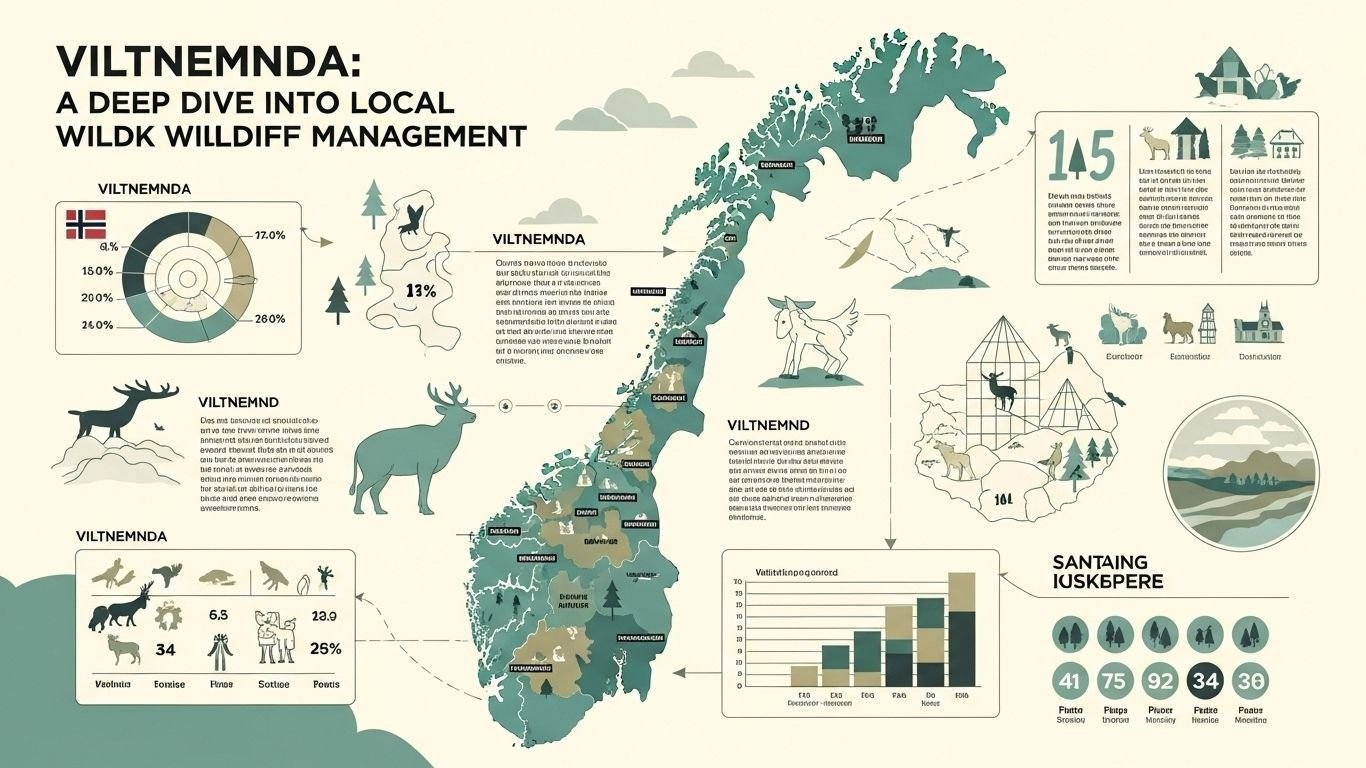
These are Norway’s municipal wildlife management committees, a network of local experts tasked with handling the complex, and often difficult, interactions between humans and wildlife. They are the first responders at wildlife accidents, the mediators in conflicts between farmers and predators, and the guardians of sustainable local ecosystems.
This article will take you through exactly what the viltnemnda is, what its members do, and why this hyper-local approach to wildlife management is so critical for maintaining the delicate balance in Norway’s natural landscapes.
What is Viltnemnda? A Closer Look at Norway’s Local Wildlife Committees
The term “viltnemnda” might seem foreign, but its concept is straightforward and incredibly practical. It isn’t one single, national body. Instead, it’s a decentralized network of committees, with one appointed for nearly every municipality across Norway. Think of them as the local boots on the ground for wildlife management.
The Municipal Structure
Each viltnemnd (the singular form) is appointed by its local municipal government. This structure is fundamental to its success. Rather than having directives come from a distant capital, decisions are made by people who live and work in the community. They understand the specific challenges of their area, whether it’s managing the large moose populations in the eastern forests or dealing with sea eagles along the coast. This local authority allows for tailored, responsive, and effective action.
Composition of the Committee
Who makes up these committees? You won’t find career bureaucrats in suits. Viltnemnda members are typically volunteers drawn from the community, chosen for their practical experience and deep-rooted knowledge of the local environment.
A committee often includes:
- Hunters and Trackers: Individuals with extensive experience in tracking animals and understanding their behavior.
- Landowners and Farmers: People who have firsthand experience with wildlife affecting their property and livelihood.
- Community Representatives: Members who can represent the broader interests and safety concerns of the local population.
This blend of expertise ensures that decisions are grounded in reality. These are people who know the local terrain like the back of their hand and have a vested interest in the well-being of both the wildlife and the human community.
The Legal Framework
The viltnemnda doesn’t operate on an informal basis. Its authority is established under Norwegian law, specifically the Wildlife Act (Viltloven). This legal backing empowers them to make binding decisions and carry out official duties related to wildlife management. When a member of the viltnemnda responds to a call, they are acting as a representative of the government, tasked with upholding the law and ensuring public safety and animal welfare.
The Key Responsibilities of Viltnemnda in Norway Wildlife Management
The duties of a viltnemnda member are varied and demanding. They are on call 24/7, ready to respond to incidents in all weather conditions. Their work can be broadly categorized into a few core areas.
Handling Injured Wildlife and Roadkill
Perhaps the most visible and frequent duty of the viltnemnda is responding to wildlife-vehicle collisions. In a country with abundant wildlife and extensive road networks, these incidents are common. When a moose, deer, or other large animal is struck by a vehicle, the police are typically notified (the emergency number for this is 02800). The police then dispatch the local viltnemnda.
Upon arrival, their first task is to assess the situation. They track the animal if it has moved from the crash site and evaluate its injuries. This is where their expertise is crucial. If the animal is severely injured with no hope of recovery, the viltnemnda is authorized to perform a humane euthanasia to end its suffering. This is a difficult but necessary part of the job, carried out with professionalism and respect for the animal. Afterward, they ensure the animal is removed from the road to prevent further accidents.
Managing Human-Wildlife Conflicts
As human populations expand into natural habitats, conflicts with wildlife are inevitable. A farmer might find a predator threatening their sheep, or a homeowner might discover that moose are destroying their apple orchard. The viltnemnda acts as the mediator and problem-solver in these situations.
Their approach is not always about removing the animal. They often provide advice on preventative measures, such as installing proper fencing or using deterrents. However, if an animal poses a persistent threat to livestock or public safety, the committee has the authority to issue culling permits. These decisions are made carefully, weighing the economic and safety concerns of the community against conservation principles.
Hunting and Population Control
Sustainable hunting is a cornerstone of wildlife management in Norway. The viltnemnda plays a significant role in this process at the local level. While national agencies set overall hunting quotas, the viltnemnda helps oversee their implementation within the municipality.
They work with local hunting clubs and landowners to ensure that hunting is conducted ethically and according to regulations. Their knowledge of local animal populations helps inform how hunting licenses are distributed, contributing to the long-term health and stability of wildlife species. By managing hunting, they help prevent overpopulation, which can lead to starvation, disease, and increased conflicts with humans.
Conservation and Habitat Monitoring
Beyond their reactive duties, the viltnemnda also has a proactive role in conservation. Members are often the first to notice changes in the local environment. They monitor the health of wildlife populations, look for signs of disease, and report on the condition of habitats.
This on-the-ground intelligence is invaluable. It provides a real-time stream of data to larger governing bodies like the Norwegian Environment Agency (Miljødirektoratet), helping to inform broader conservation strategies and scientific research. They are, in essence, the eyes and ears of wildlife conservation in their local community.
Why Viltnemnda is Crucial for Sustainable and Ethical Practices
The viltnemnda system is more than just a practical solution; it represents a philosophy of wildlife management built on community, ethics, and sustainability.
Community-Based Decision Making
One of the greatest strengths of the viltnemnda is its local nature. Decisions are not made by a distant committee in an office building but by neighbors who understand the local context. This fosters a sense of trust and ownership within the community. When people know that wildlife management is being handled by competent local experts, they are more likely to support and participate in conservation efforts. This approach strikes a delicate balance between the needs of farmers, the safety of residents, and the health of the ecosystem.
Ensuring Ethical Treatment of Animals
A core principle guiding the viltnemnda is animal welfare. When responding to an accident, their primary goal is to minimize the animal’s suffering. The swift, professional response ensures that an injured animal is not left to suffer for hours or days. This commitment to ethical treatment extends to all their duties, including population control, where humane methods are required by law and practice.
A Bridge Between the Public and Government
For the average citizen, the viltnemnda is the most accessible face of wildlife management. If you have a problem or a question, you are dealing with someone from your own community. This direct line of communication is essential. If you encounter injured wildlife, the procedure is simple: call the police, and they will contact the viltnemnda. This clear and efficient system ensures that help is dispatched quickly, bridging the gap between public need and official action.
Promoting Sustainable Coexistence
Ultimately, the work of the thousands of viltnemnda members across Norway contributes to a larger goal: creating a sustainable model for humans and wildlife to coexist. Their efforts in managing populations, resolving conflicts, and responding to emergencies help maintain a healthy natural environment. They ensure that wildlife can thrive without posing an undue threat to human activities, preserving Norway’s rich natural heritage for generations to come.
Frequently Asked Questions (FAQs)
1. What does “viltnemnda” mean?
“Viltnemnda” translates to “the wildlife committee” in English. “Vilt” means wildlife, and “nemnd” means committee or board.
2. Who can be on a viltnemnda?
Members are appointed by the municipality and are usually local residents with extensive practical experience, such as hunters, farmers, trackers, or landowners. They are valued for their knowledge of local wildlife and terrain.
3. What should I do if I hit an animal with my car in Norway?
You are legally required to report the collision. Pull over safely, put on your hazard lights, and place a warning triangle on the road. Call the police at 02800 to report the accident. Do not approach the animal yourself, as it may be dangerous. The police will dispatch the local viltnemnda.
4. Is the viltnemnda a paid position?
Members are typically volunteers who receive a modest compensation for their time and expenses when they are on call or responding to an incident. It is a role undertaken out of a sense of civic duty and a passion for wildlife.
5. Does the viltnemnda handle all types of animals?
Their primary focus is on larger wildlife species covered by the Wildlife Act, such as moose, red deer, roe deer, reindeer, and large predators like wolves, bears, and wolverines. They also handle other wildlife involved in accidents or conflicts as needed.