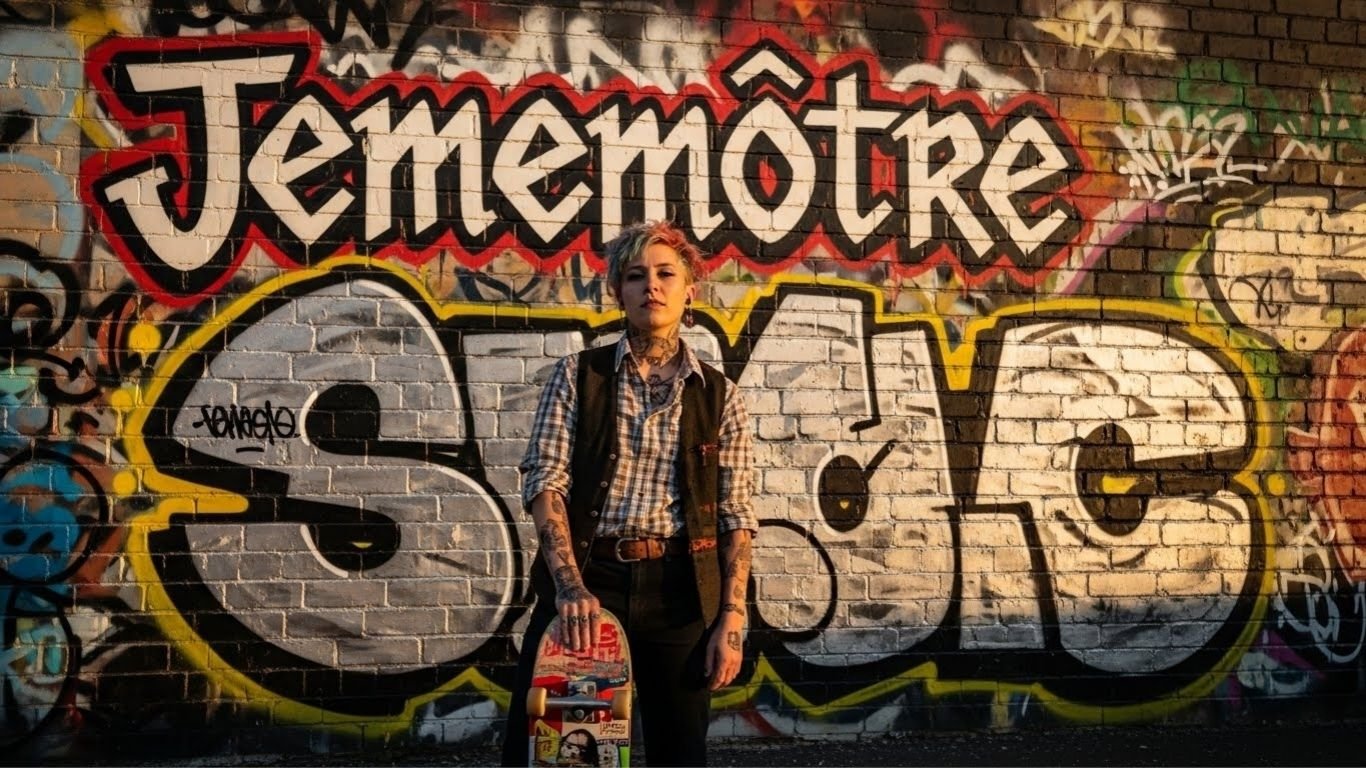
Have you ever come across a word that feels more like an idea? A term that doesn’t have a simple dictionary definition but resonates with something deep inside you? That’s “jememôtre.” It’s a concept that has been appearing in conversations about art, identity, and culture, inviting curiosity and personal interpretation.
This isn’t just a trendy new word. It represents a blend of self-expression, cultural history, and modern identity. If you’re wondering what jememôtre is, where it comes from, and how it relates to you, you’ve come to the right place. We’ll explore its meaning, its role in art and life, and how you can engage with this fascinating concept.
What is Jememôtre?
At its heart, jememôtre is more of a concept than a word with a fixed definition. Its power lies in its open-ended nature. Think of it as a space for understanding and expressing the self.
The term appears to be a blend of French elements. “Je me” translates to “I myself,” a phrase of self-reference. The “môtre” part is more stylized and open to interpretation. It could be a nod to “montrer” (to show), “metre” (to measure), or even “maître” (master).
Putting these ideas together, jememôtre suggests concepts like “I show myself,” “I measure myself,” or “I am the master of my own expression.” It points to the intentional act of presenting your inner self to the outer world. It’s about curating and sharing your identity, thoughts, and feelings in a conscious way.
The Origins and Evolution of Jememôtre
While jememôtre is a relatively new term, the ideas behind it are not. The concept of self-presentation has deep roots in philosophy and art. Thinkers like Jean-Paul Sartre explored the tension between our inner being and how we appear to others. The struggle for authenticity is a timeless human theme.
The rise of modern art also paved the way for jememôtre. Movements like Surrealism and Abstract Expressionism broke away from realistic depictions, focusing instead on expressing internal states and abstract ideas. Artists began to show their inner worlds rather than just painting the world around them.
In our digital age, this concept has found new life. Social media platforms are all about self-presentation. We curate our profiles, share our stories, and build personal brands. Jememôtre can be seen as a more conscious and artistic approach to this modern reality. It’s about moving beyond simply performing for an audience and instead using these tools for genuine self-expression.
The Emotional and Philosophical Dimensions
Jememôtre taps into some profound emotional and philosophical questions. It encourages a level of introspection and mindfulness. It asks us to pay attention to our inner lives and think about how we share them.
A Tool for Introspection
The concept is linked to emotional complexity. Human feelings are rarely simple; they are often layered and contradictory. Jememôtre provides a way to acknowledge this nuance. It represents the state of observing your own thoughts and emotions without judgment, which is a core principle of mindfulness.
The Fluidity of Identity
Philosophically, jememôtre challenges the idea of a fixed identity. It suggests that who we are is not static but constantly evolving. By engaging in the act of “showing ourselves,” we participate in the creation and re-creation of our identity. It embraces the idea that the self is a story we are always telling.
This connects to the age-old tension between being and appearing. Jememôtre doesn’t see this as a conflict to be resolved but as a creative process to be explored.
Creative Applications of Jememôtre
One of the most exciting aspects of jememôtre is its application in creative fields. Its ambiguity makes it a powerful tool for artists, writers, and creators of all kinds.
In Art
Visual artists are using jememôtre to explore themes of identity, subjectivity, and transformation. An artwork inspired by this concept might be abstract, using color and form to represent an internal state. It could also be an interactive installation that changes based on the viewer’s presence, highlighting the fluid nature of self-presentation.
In Writing
For writers, jememôtre can be a powerful thematic anchor. A poet might use it to explore feelings of longing or self-discovery. A novelist could build a character who is consciously curating their public persona. In journaling, it becomes a guiding principle for honest self-reflection, turning a diary into a canvas for self-expression.
In Digital Spaces
In the digital world, jememôtre offers a fresh perspective on personal branding. Instead of creating a polished but impersonal brand, one could build a digital presence that is more authentic and expressive. This could mean sharing behind-the-scenes creative processes, writing reflective posts, or using a unique visual style that communicates a personal story.
Practical Ways to Engage with Jememôtre
You don’t need to be an artist or a philosopher to explore jememôtre. It’s a concept that anyone can engage with in their daily life. Here are a few practical ways to start.
Journaling Prompts
Use your journal to explore your own “self-showing.” Ask yourself questions like:
- What parts of myself do I choose to show to others? What parts do I hide?
- If I had to represent my current mood with a color or a symbol, what would it be?
- What is a story about myself that I rarely tell?
Creative Exercises
Try a small creative project. You could create a visual collage (digital or physical) that represents your inner world. Combine images, words, and textures that resonate with you. Or, try writing a short poem or a piece of flash fiction based on a personal memory. The goal isn’t to create a masterpiece but to practice translating an internal experience into an external form.
Daily Mindfulness
Incorporate jememôtre into your mindfulness routine. Take a few moments each day to simply notice your thoughts and feelings. Acknowledge them without judgment. This simple act of self-observation is a form of jememôtre, as you are “showing” yourself your own inner state.
Modern Adaptations and Cultural Impact
As jememôtre gains traction, it is being adapted in various cultural contexts. In fashion, designers might create a clothing line inspired by the idea of wearable identity. In technology, a new app could be developed to help users track their emotional and creative journeys in a more expressive way.
The concept is also influencing social movements. It can be a tool for activism, empowering individuals and groups to share their stories and reclaim their narratives. By fostering a dialogue about identity and representation, jememôtre has the potential to create a more inclusive and empathetic culture.
Challenges and Criticisms
No concept is without its potential pitfalls. One criticism of jememôtre is the risk of it becoming just another form of superficial performance. If the focus is only on the aesthetic of self-expression, it can become another mask rather than a tool for authenticity.
There is also the risk of commercialization. As brands pick up on the term, its deeper meaning could be diluted and used simply as a marketing buzzword. It’s important to engage with the concept authentically, focusing on personal meaning rather than external trends.
The Future of Jememôtre
So, where is this concept headed? In our increasingly digital world, jememôtre is likely to continue evolving. We may see it integrated with new technologies like artificial intelligence and augmented reality, creating new ways for people to express their identities.
Imagine an AR experience that overlays your personal story onto the world around you, or an AI companion that helps you translate your feelings into poetry or music. The possibilities are vast. As long as we continue to value authenticity and creative expression, concepts like jememôtre will remain relevant.
Conclusion
Jememôtre is more than just a word; it is an invitation. It invites us to look inward, to think deeply about who we are, and to find creative ways to share our unique stories with the world. It bridges the gap between our inner lives and our outer expressions, turning self-presentation into an art form.
Whether you see it as a philosophical lens, a creative prompt, or a guide for living more authentically, jememôtre offers a rich and rewarding path for self-discovery. The best way to understand it is to explore it for yourself.
Frequently Asked Questions (FAQs)
1. What does “jememôtre” mean?
Jememôtre doesn’t have a single definition. It’s a concept derived from French that suggests “I show myself” or “I measure myself.” It refers to the intentional and creative act of expressing one’s inner identity.
2. How can I use “jememôtre” in my creative projects?
You can use it as a theme to explore identity and self-expression. Create art, writing, or music that represents an inner state, a hidden memory, or a personal transformation. The key is to focus on authenticity and creative interpretation.
3. Is “jememôtre” a trend or a lasting concept?
While the term itself may be trendy, the underlying ideas of self-expression and authenticity are timeless. Its relevance in our digital age suggests it has the potential to become a lasting concept for navigating modern identity.
4. Can “jememôtre” be used in digital branding or social media?
Absolutely. It encourages a more authentic and creative approach to personal branding. Instead of a generic, polished image, you can build a digital presence that reflects your true personality and values.
5. How do I start practicing “jememôtre” in daily life?
Start small. Use journaling prompts to explore your feelings, try simple creative exercises like making a collage, or practice mindfulness to become more aware of your inner world. The goal is to make a conscious effort to connect with and express your authentic self.