When you think of the “Godfather of Soul,” James Brown, you think of the capes, the splits, and the funk that changed music forever. You might also think of his turbulent personal life and a string of high-profile relationships. But before the fame, the fortune, and the global adoration, there was Velma Warren.
Velma holds a unique place in history as James Brown’s first wife. She knew the man, not just the myth. While much of Brown’s life was played out in the tabloids, Velma remained a figure of quiet strength and mystery.
In this article, we’re going to look past the stage lights. We will explore who Velma Warren really was, the truth about her marriage to the hardest-working man in show business, and the legal controversies that resurfaced decades later to challenge the singer’s legacy.
Who Was Velma Warren Before the Fame?
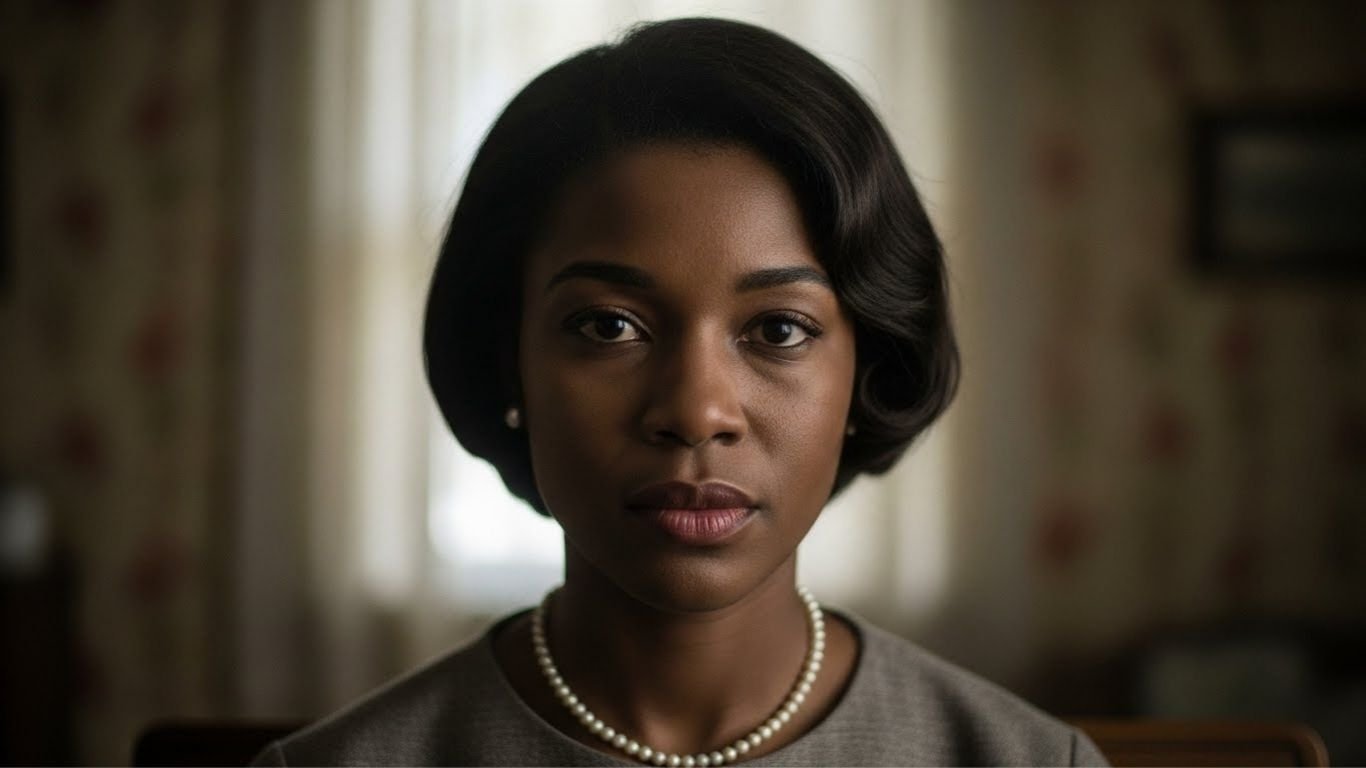
Finding detailed information about Velma Warren’s early life can feel like searching for a needle in a haystack. Unlike the women who entered James Brown’s life after he became a global superstar, Velma came from a quieter world. She wasn’t chasing a spotlight; she was living a regular life in the American South.
We know that Velma and James met in the early 1950s. This was a critical time in American history and music. The Civil Rights movement was brewing, and the “Chitlin’ Circuit” was the primary avenue for Black performers. Velma grew up in an era where resilience wasn’t a choice; it was a requirement.
Her background appears to be humble, rooted in the same soil that produced Brown himself. She wasn’t a celebrity, a model, or a backup singer. She was a woman looking for stability and love, eventually finding herself tied to a man whose ambition would soon outgrow the boundaries of their small town.
The Context of the Era
To understand Velma, you have to understand the 1950s. For a young Black woman in the South, options were often limited by systemic barriers. Marriage was a cornerstone of social standing and security. Meeting a charismatic, energetic young man like James Brown—who had served time in juvenile detention but was turning his life around through music—would have been both exciting and risky.
The Marriage: Love in the Pre-Fame Years
Velma Warren and James Brown married on June 19, 1953. It is vital to note the date. This was three years before “Please, Please, Please” became a million-selling hit. When Velma said “I do,” she wasn’t marrying an icon. She was marrying a struggling musician who was trying to find his footing.
A Relationship of Support
In the early days of their marriage, Velma was a stabilizing force. James Brown was known for his intense work ethic, a trait that often made him difficult to live with. He was driven, sometimes to the point of obsession. Velma was there during the lean years. She witnessed the rejection letters, the small gigs in dusty venues, and the relentless drive that would eventually make him a star.
Many music historians credit this period as the foundation of Brown’s career. Having a home base and a wife allowed him to focus on the Famous Flames and his developing sound. While she didn’t write the songs or dance on stage, Velma provided the domestic structure that a young, ambitious man needed.
The Strains of Success
However, as James Brown’s star began to rise, the dynamics of their marriage shifted. The life of a touring musician in the late 1950s and 60s was chaotic. Long absences were common. Temptation was everywhere.
As Brown transformed from a local talent into “Soul Brother No. 1,” the gap between his public persona and his private life with Velma widened. The marriage lasted for over a decade, which is a lifetime in the entertainment industry, but the pressures of fame eventually took their toll.
Divorce and Legal Controversies
Officially, the narrative states that Velma Warren and James Brown divorced in 1969. They had been married for 16 years. By this time, James was a global phenomenon, and his life was moving at a pace few could keep up with.
But the story doesn’t end with a simple paper decree. In fact, the end of their marriage became a subject of massive legal scrutiny decades later.
The “Never Divorced” Claim
The most shocking twist in Velma’s story came years after James Brown passed away on Christmas Day, 2006. In the messy battle over Brown’s estate, Velma Warren Brown stepped out of the shadows. She filed a sworn statement in Aiken County court claiming that she and James had never officially divorced.
This was a bombshell.
Velma contended that she was never served with divorce papers in 1969. If true, this claim had massive implications. It would mean that James Brown’s subsequent marriages—including his unions with Deidre Jenkins and Adrienne Rodriguez—might have been bigamous and legally void.
Why Did This Matter?
The legal argument wasn’t just about titles; it was about the estate. James Brown left behind a complicated will and a fortune in royalties and assets. The legitimacy of his surviving partner at the time, Tomi Rae Hynie, was already under fire. If Velma was still legally his wife, she could have had a superior claim to a portion of the estate as the surviving spouse.
While the courts eventually navigated through the complex web of Brown’s marital history, Velma’s claim highlighted how chaotic the singer’s personal administration was. It painted a picture of a man who moved so fast he didn’t always check if the paperwork caught up with him.
Life After James Brown
After the relationship ended—whether legally or just practically—Velma Warren chose a path of privacy. She did not seek to become a reality TV star or write tell-all books bashing her famous ex-husband.
She largely retreated from the public eye. This silence speaks volumes about her character. In an industry where people often cling to their proximity to fame, Velma seemed content to live her own life.
Moving On
Details on her career or subsequent relationships are scarce, and that is likely by design. She maintained her dignity, refusing to let her entire identity be consumed by her ex-husband’s celebrity. While James Brown continued to dominate headlines with his music and his run-ins with the law, Velma lived a quiet life, presumably surrounded by family and friends who knew her simply as Velma, not as “James Brown’s first wife.”
Legacy and Public Interest
Why are we still talking about Velma Warren today?
Her legacy is tied to the authenticity of James Brown’s history. You cannot fully tell the story of the Godfather of Soul without mentioning the woman who was there at the starting line.
The Keeper of the Early Years
Velma represents the “James Joe Jr.” era—the man before the cape. She is a reminder that even the biggest legends started as humans with normal relationships and struggles.
Furthermore, her involvement in the post-death estate battles showed that she wasn’t just a footnote. She was a woman who knew her rights and was willing to speak up when it mattered, even after decades of silence.
She is also a symbol of the often-overlooked women behind successful men in the mid-20th century. These women managed households and provided emotional support, only to be left behind when the spotlight became too bright. Remembering Velma is a way of acknowledging that contribution.
Frequently Asked Questions (FAQs)
1. How long were Velma Warren and James Brown married?
They were married on June 19, 1953. Their divorce decree was finalized in 1969, meaning the marriage lasted roughly 16 years. However, Velma later claimed the divorce was never finalized properly.
2. Did Velma Warren have children with James Brown?
James Brown had many children, and the lineage is sometimes complex. During his marriage to Velma, they were part of a large family dynamic, though James acknowledged children with other partners as well. Specific details on children strictly between Velma and James are often conflated with his other children, specifically Teddy Brown, who was born around 1954.
3. What was the outcome of Velma’s claim about the divorce?
While Velma filed a statement claiming she was never served divorce papers, it did not result in her overturning the estate distribution entirely or being universally recognized as the sole surviving spouse. The legal battles over Brown’s estate continued for years involving various parties.
4. Is Velma Warren still alive?
As of the most recent public reports during the estate battles in the late 2000s, Velma was alive and participated in legal proceedings. Given her private nature, current updates on her status are not widely publicized.
Conclusion
Velma Warren is more than just a name on a Wikipedia page or a line in a biography. She was a real woman who navigated love, marriage, and heartbreak with one of the most complex figures in music history.
Her story is a reminder that behind every public icon is a private life filled with real people. Velma was there before the fame, she endured the transition to stardom, and she maintained her dignity long after the marriage ended. Whether she was fighting for her legal standing or simply living her life away from the cameras, she remains an integral piece of the James Brown puzzle.
For music history fans, acknowledging Velma Warren isn’t just about trivia—it’s about respecting the roots of the legend.